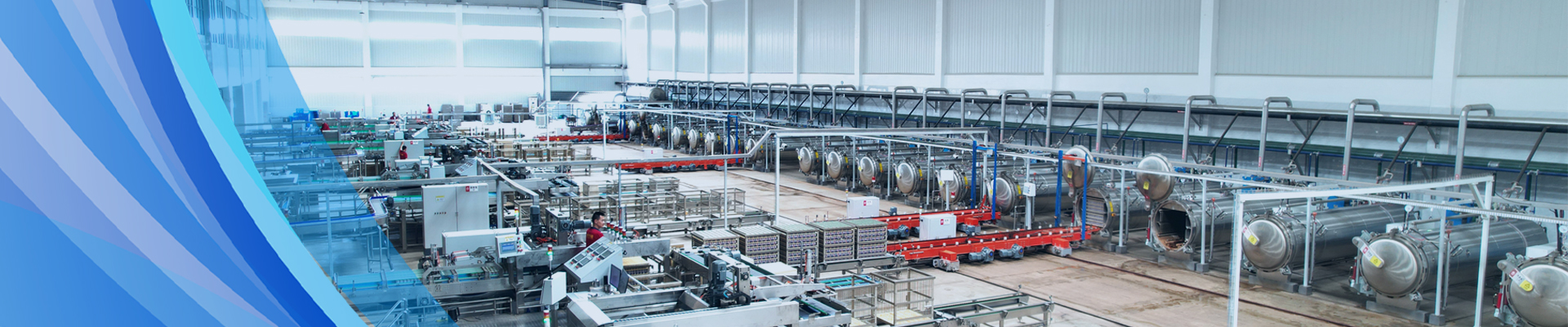

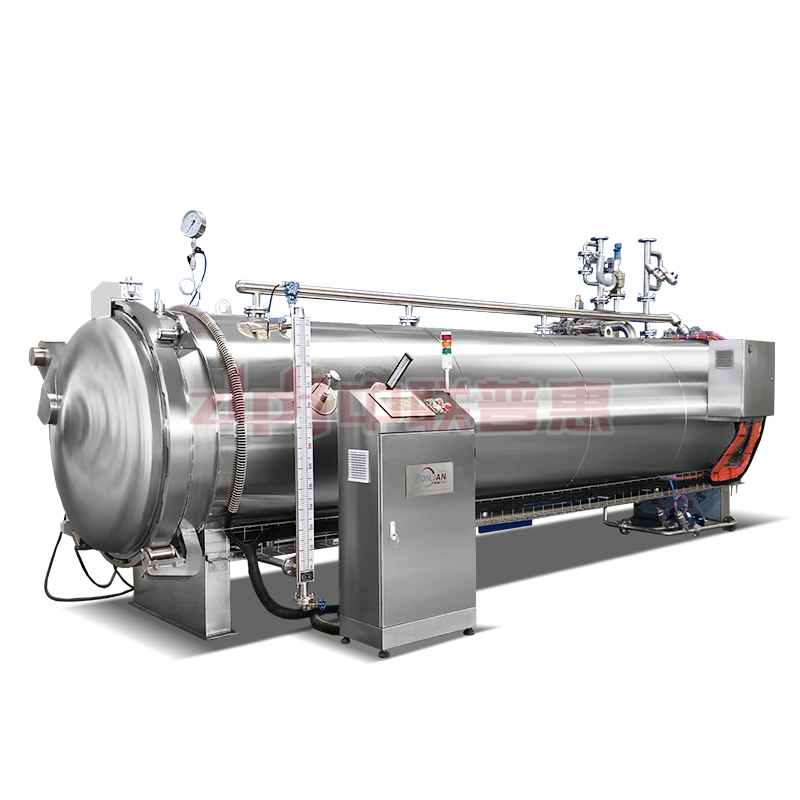
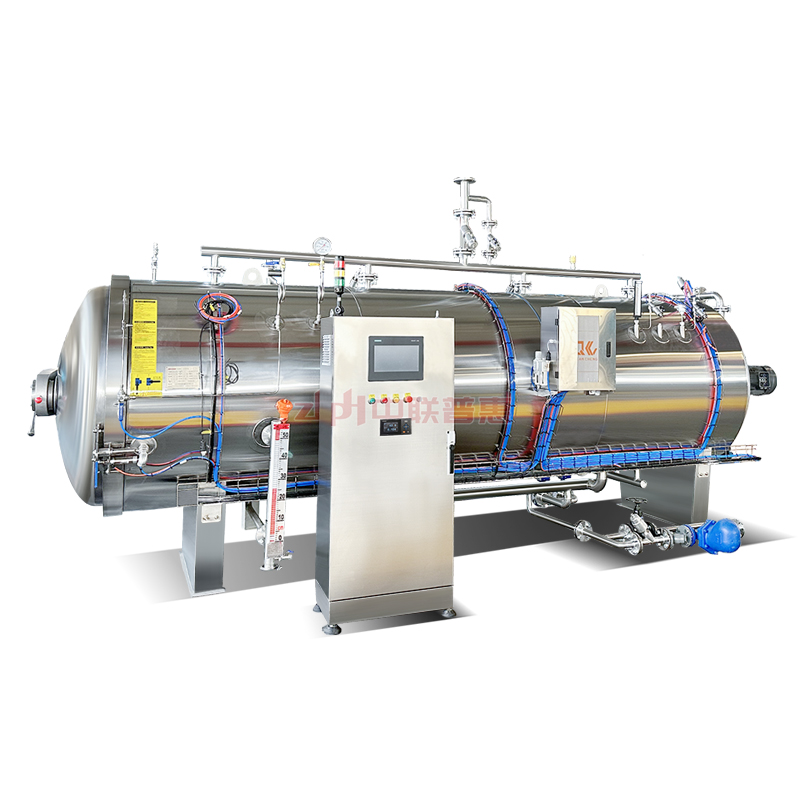
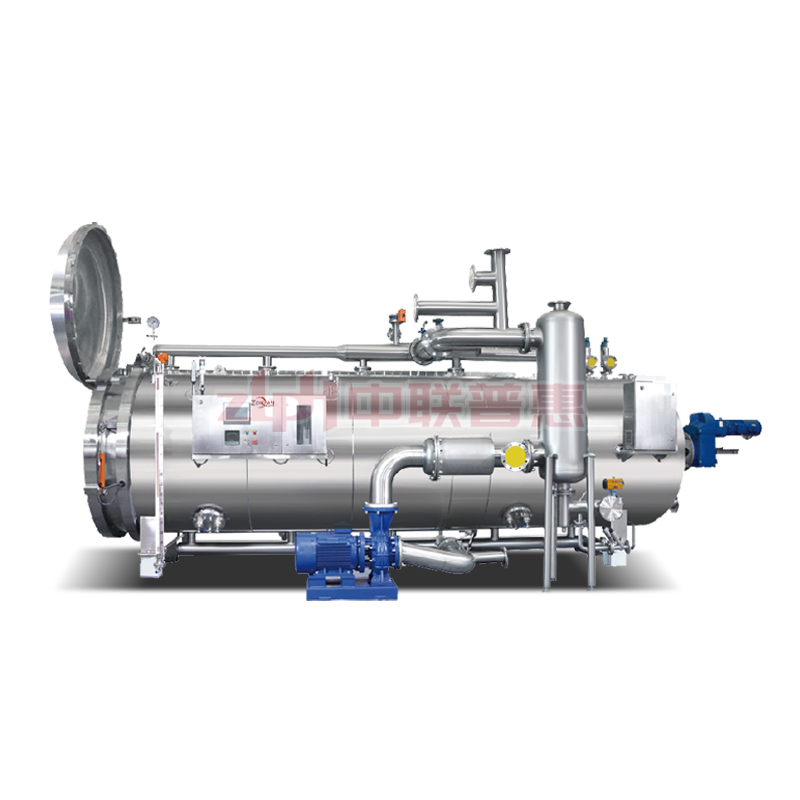
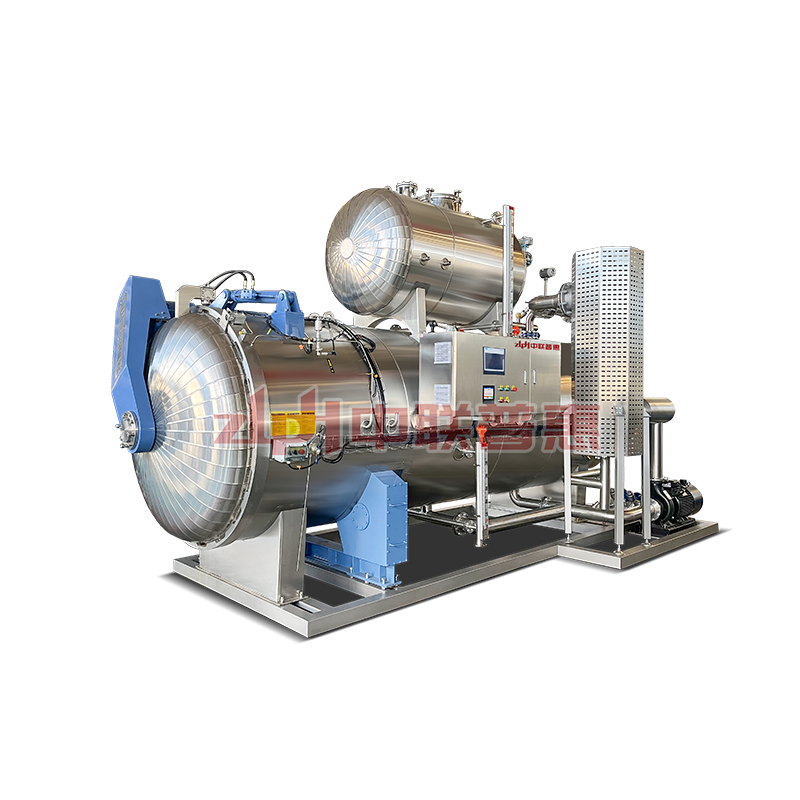
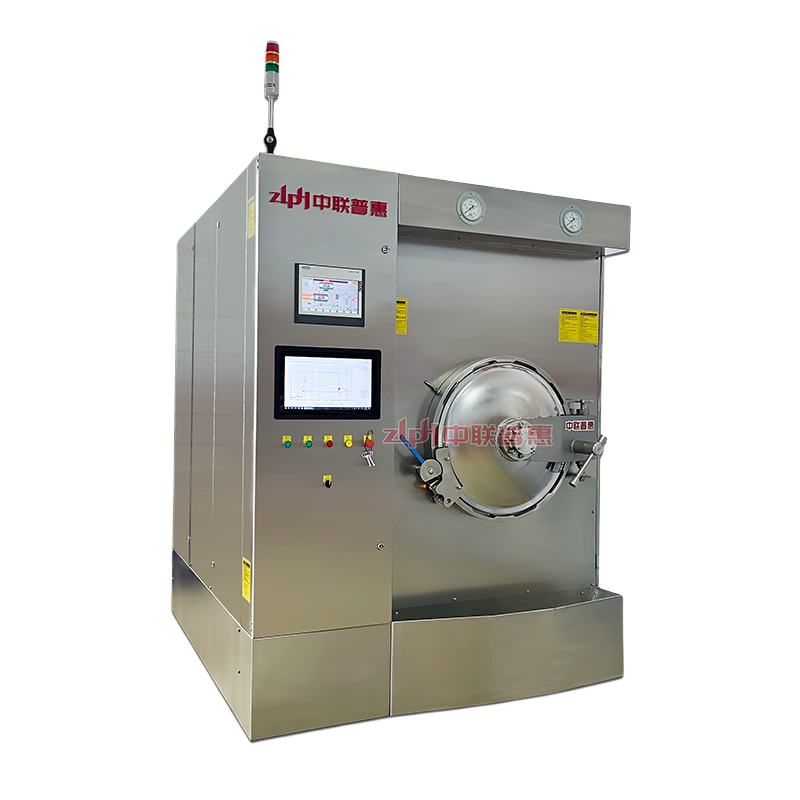
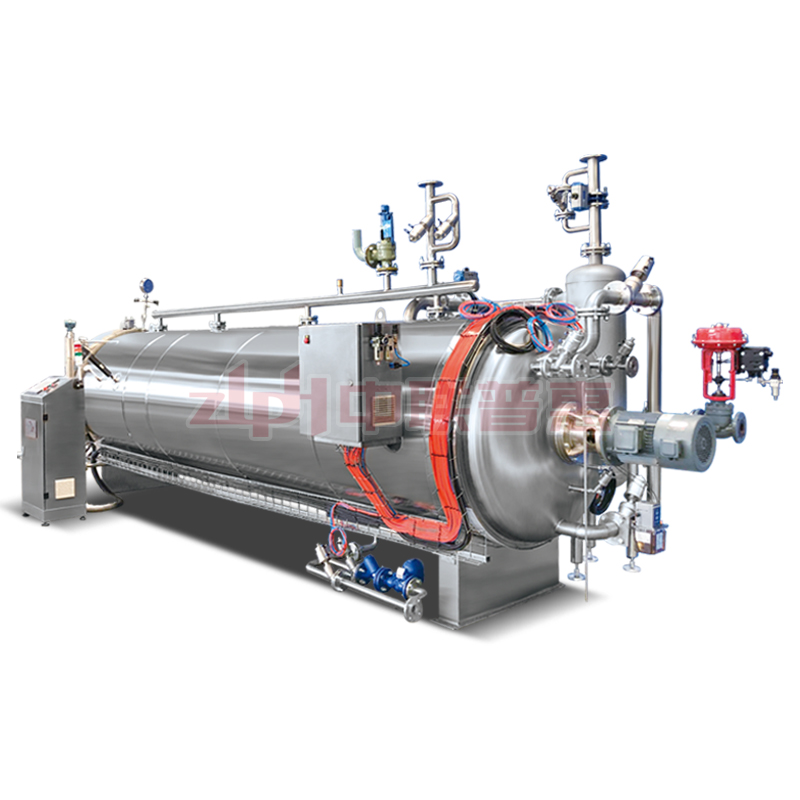
This guide is authored by senior food processing engineers from ZLPH MACHINERY TECHNOLOGY CO., LTD., a leading provider of industrial sterilization solutions with over 6 years of R&D experience and 5,000+ global installations. It addresses a critical pain point faced by food manufacturers worldwide: inconsistent thermal processing results during pilot-scale retort autoclave production. This issue often stems from inadequate temperature uniformity, poor pressure control, and lack of process validation at small-batch scale—leading to failed shelf-life tests, product recalls, or regulatory non-compliance. Based on extensive field testing across 30+ countries and collaboration with food safety labs, we’ve developed a proven, step-by-step methodology to ensure your pilot retort runs deliver lab-grade accuracy, scalable data, and full compliance with FDA and EU food safety standards. In this guide, we break down real-world scenarios, root causes, actionable fixes, and validation protocols that have helped clients reduce trial batches by 70% and accelerate commercialization timelines.

How to Achieve Consistent Temperature Distribution in Small-Batch Retort Runs?
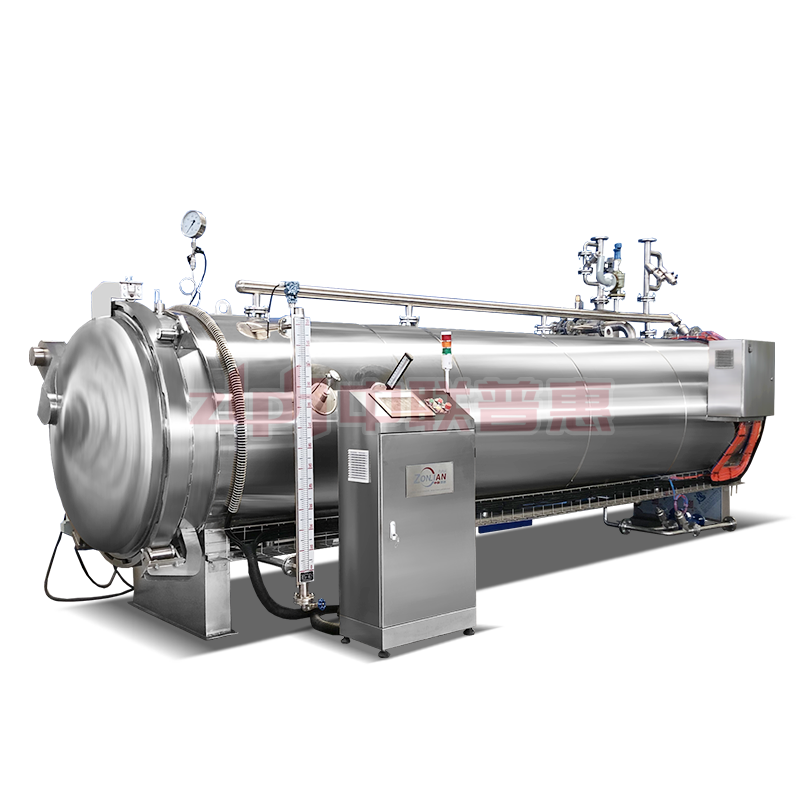
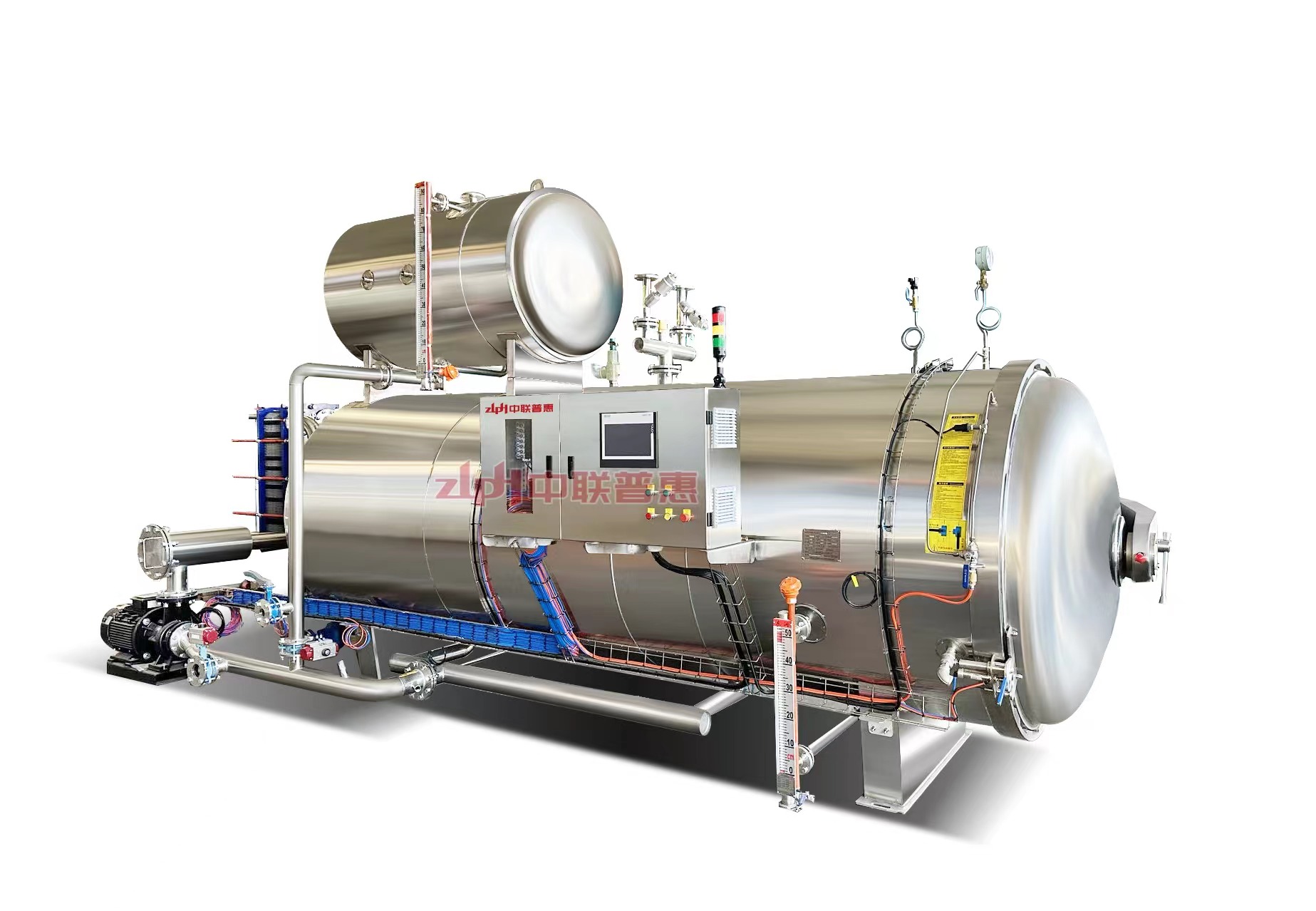
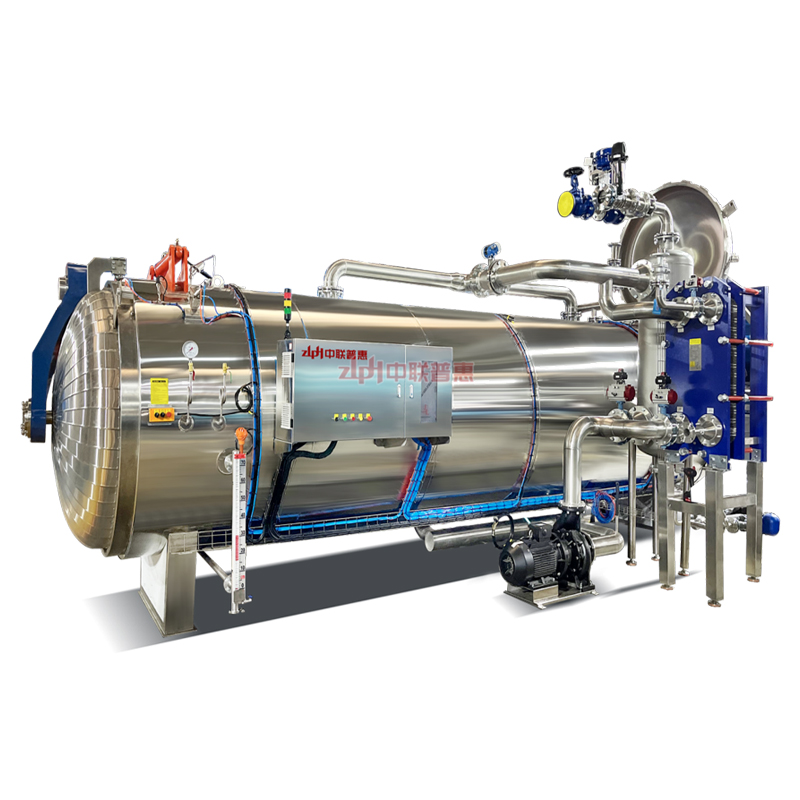
In pilot production of ready-to-eat meals or canned soups, uneven heat penetration often causes under-processing in core zones or overcooking at edges—especially when batch sizes are below 50 liters. This inconsistency invalidates F₀ (thermal lethality) calculations and jeopardizes food safety validation. The root causes include insufficient steam circulation, improper basket loading density, and lack of real-time thermal mapping. To resolve this, first conduct a thermal distribution study using calibrated data loggers placed at cold-spot locations. Then, optimize rack configuration to allow 10–15 cm clearance around containers for uniform steam flow. Long-term, deploy a pilot retort equipped with multi-zone steam injection and PID-controlled water spray systems—like ZLPH’s modular autoclaves—which maintain ±0.5°C temperature uniformity across the chamber. Always validate with at least three consecutive runs under worst-case load conditions. This approach has enabled clients in Southeast Asia and Europe to pass third-party audits on first attempt, cutting validation cycles from 6 weeks to 10 days.

How to Prevent Pressure Fluctuations During Rapid Cooling in Pilot Retorts?
Rapid cooling is essential for texture retention in delicate products like baby food or seafood, but uncontrolled pressure drops can cause container deformation or seal failure. This occurs when compressed air injection isn’t synchronized with cooling water flow, creating vacuum spikes. The solution involves a two-stage pressure maintenance protocol: during initial cooling (100°C → 70°C), maintain counter-pressure at 1.8–2.2 bar using regulated air; during final cooling (70°C → 40°C), gradually reduce pressure while monitoring container integrity via inline vision sensors. ZLPH’s pilot autoclaves integrate PLC-controlled pressure ramping algorithms that auto-adjust based on product fill volume and container type, preventing >95% of deformation incidents. Field data from 120+ installations shows container failure rates dropped from 8% to <0.3% after implementing this protocol.

How to Validate Sterilization Processes Without Full-Scale Equipment?
Many startups and R&D labs lack access to commercial retorts but need validated processes for investor pitches or regulatory submissions. The key is using a pilot autoclave that mirrors full-scale hydrodynamics and thermal profiles. Ensure your unit supports precise F₀ tracking, real-time data logging (with audit trail), and compatibility with industry-standard validation software like ComeUp or STSS. ZLPH’s pilot systems include built-in validation modules compliant with ISO 11134 and FDA 21 CFR Part 11, allowing direct export of thermal death time curves and process summaries. One European plant-based meat client used this capability to secure EFSA approval in just 8 weeks—using only 20-liter batches.

Industry Best Practices for Pilot Retort Operations
Based on 6+ years of global deployments, ZLPH recommends a 5-step framework for reliable pilot-scale sterilization:
1. Define Worst-Case Parameters: Test at minimum fill level, maximum viscosity, and coldest incoming product temp.
2. Map Thermal Profiles: Use ≥9 data loggers per run to identify cold spots.
3. Automate Data Capture: Eliminate manual logs; use cloud-connected systems for traceability.
4. Simulate Commercial Scale: Match agitation speed, come-up time, and cooling rate to target production line.
5. Document Everything: Maintain digital batch records for audit readiness.
Always select pilot equipment rated for continuous daily use—not modified lab autoclaves—as durability directly impacts data repeatability.
Frequently Asked Questions (FAQ)
Q: Can a laboratory autoclave be used for food sterilization validation?
A: No—lab autoclaves lack precise F₀ control, pressure ramping, and food-grade materials. Use only food-certified retorts with thermal validation capabilities.
Q: What’s the minimum batch size for meaningful pilot data?
A: As low as 5 liters if the retort chamber is ≤20L and thermal mapping confirms uniformity—critical for high-value products like infant formula.
Q: How often should pilot retorts be recalibrated?
A: Every 6 months or after 500 cycles, whichever comes first, per ISO/TS 22003 requirements.
Q: Do ZLPH pilot autoclaves support both steam-air and water-spray modes?
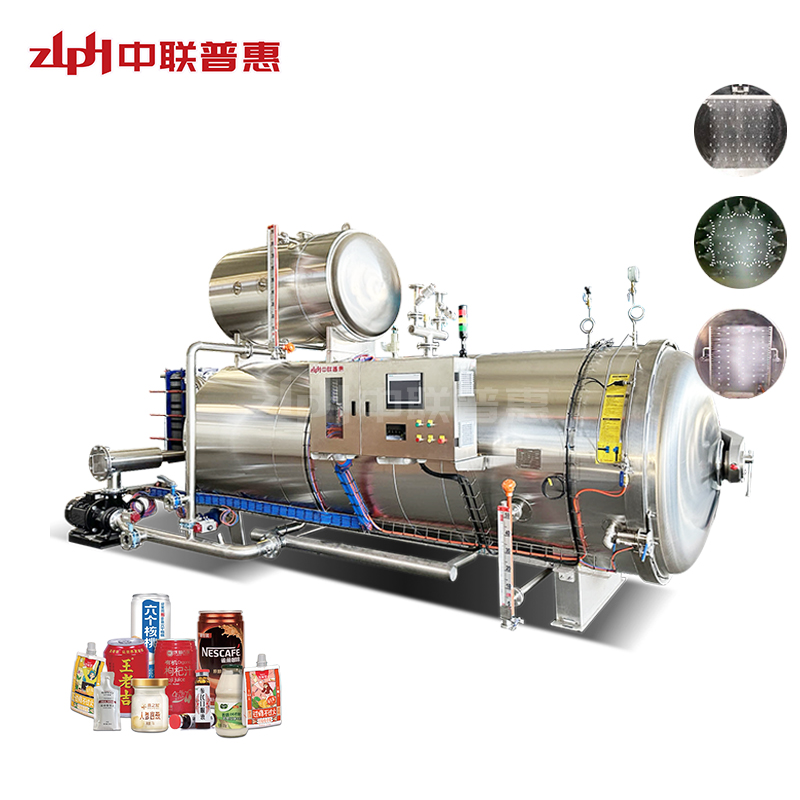
A: Yes—all models offer dual-mode operation with automatic switching, ideal for testing diverse packaging formats from glass jars to flexible pouches.
Q: Is remote monitoring available during pilot runs?
A: Yes—via ZLPH Cloud, which provides real-time F₀, temperature, and pressure dashboards accessible from any device.
Our Expertise & Support
ZLPH MACHINERY TECHNOLOGY CO., LTD. is a globally recognized manufacturer of retort sterilization systems, founded in 2018 with a 21-member R&D team specializing in mechanical design, PLC automation, and sterilization science. Our facilities span 50 acres with 15,000 m² of advanced manufacturing space, producing CE- and ISO 9001-certified equipment deployed in over 30 countries. We’ve partnered with leading food brands across North America, Europe, and ASEAN to solve complex thermal processing challenges—from low-acid canned foods to novel plant-based proteins. For unique applications, our engineers provide free sample testing, custom basket design, and on-site validation support to de-risk your scale-up journey.
Contact Us
Company: ZLPH MACHINERY TECHNOLOGY CO., LTD.
Website: https://www.zlphretort.com/
Email: sales@zlphretort.com
Phone / WhatsApp: +86 15666798389 / +86 13361554016
